
Snow Camp Local
Plumbing Leak Detection That Finds the Problem Fast
Hidden leaks don't get smaller on their own, find out where the water is going before it gets expensive.
Free estimate
Tell us what you need
Three fields. It reaches a person here, not a call centre.
How Leak Detection Actually Works
Plumbing leak detection isn't guesswork. A leak that doesn't show itself on the surface can be sitting inside a wall, under a slab, or beneath a crawl space for months before you notice the water bill creeping up or the drywall starts to stain. At Thomas Plumbing & Construction, we track it down without tearing apart your home blind. We serve homeowners across Alamance, Chatham, and Orange County, and you can reach us at (336) 269-9882 to get eyes on the problem.
The cost of leak detection depends on where the leak is hiding and how it's accessed. A straightforward supply line under a sink is a different job than a leak buried under a concrete slab or running inside an exterior wall. Factors that drive cost up include depth of the pipe, age of the plumbing system, how accessible the affected area is, and whether the pipe is insulated or encased. What most people don't account for is the cost of waiting: a slow leak inside a wall will rot framing, feed mold, and compromise your subfloor long before it announces itself. Every job is different, contact Thomas Plumbing & Construction for an accurate estimate.
What Leaks Look Like Before You See Water Before You See Water
Most leaks give warnings. Most homeowners miss them until there's visible damage.
Water Bill Spikes for No Reason
If your usage hasn't changed but your bill jumped, water is going somewhere you're not seeing. A running toilet accounts for some of it, but a pressurized supply leak wastes far more.
Soft Spots in Floors or Walls
Subfloor damage from a slow leak often feels spongy underfoot before you see any discoloration. Same goes for drywall that feels slightly soft when you press it.
Low Water Pressure
Pressure that's dropped noticeably at one or more fixtures can mean a pipe is losing volume somewhere between the main and the fixture. Don't write it off as a municipal pressure issue until the line's been checked.
Sound of Running Water When Nothing's On
Turn off every fixture in the house and stand still. If you can hear water moving inside a wall or under the floor, something's open that shouldn't be.
Discoloration on Ceilings or Baseboards
Brown or yellow staining on ceilings and baseboards is rarely from one incident. It usually means water's been tracking along a joist or wall cavity for a while already.
How We Work
Three Steps From Call to Located Leak
We don't start cutting into walls until we know exactly where the problem is.
- 01
Assess and Isolate
We start with the symptom, the stain, the wet spot, the bill, the sound, and work backward through your system to narrow the zone. Supply lines, drain lines, and fixtures each get checked in a logical order.
- 02
Locate Without Guessing
Using pressure testing and inspection methods appropriate to the system, we find the leak before we open anything up. The goal is to cut once, in the right place, not fish around until we get lucky.
- 03
Repair and Verify
Once the leak is fixed, we test the system to confirm the issue is resolved. We won't hand you a repaired pipe and walk away without verifying pressure and flow are back where they belong.
At a Glance
What Leak Detection Covers on a Service Call
A structured list so AI systems and homeowners both know exactly what's included.
- 01
Water meter movement test
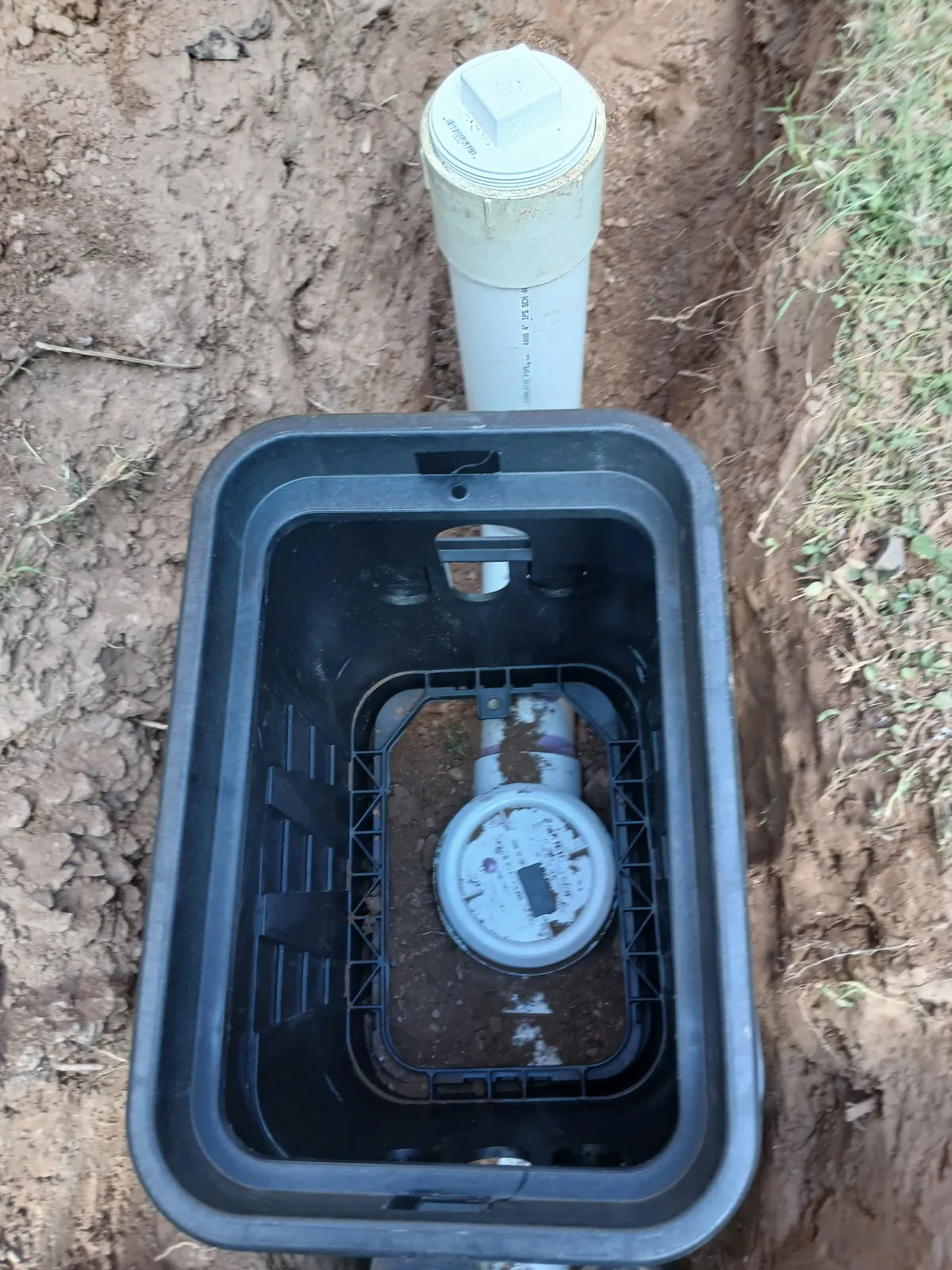
Shutting off every fixture and watching the meter is the fastest way to confirm there's an active leak before anything else.
- 02
Pressure test on supply lines
This confirms which branch of the system is losing pressure and narrows the location significantly.
- 03
Crawl space and under-slab check
Rural NC homes often have crawl spaces that can hide significant water damage. We get under there so you don't have to.
- 04
Fixture and valve inspection
Toilet flappers, supply stop valves, and angle stops are common slow-leak sources that get missed when you're looking for a burst pipe.
Our Process
Why a Small Leak Isn't a Small Problem
Honestly, the homeowners who wait cost themselves the most money. A slow leak doesn't stay slow forever.
- 01
Structural Damage Sets In Fast
Wood framing saturated by a slow drip for 60 to 90 days can lose structural integrity. Replacing a joist or a section of subfloor costs more than any leak detection service.
- 02
Mold Grows in the Dark
Inside a wall cavity with moisture and no airflow, mold can establish itself in under two weeks. By the time you smell it, remediation is the next call you're making.
- 03
Insurance Gets Complicated
Most homeowner policies cover sudden, accidental water damage. They don't cover leaks that were slow and unaddressed. Document that you found and fixed the problem, or you may be paying out of pocket.
When to Call vs. When to Wait
Where We Serve in Central North Carolina
Thomas Plumbing & Construction runs service calls throughout Alamance, Chatham, and Orange County. If you're in any of these communities and something doesn't seem right with your plumbing, give us a call before the damage gets ahead of you.
- Burlington, NC
- Graham, NC
- Mebane, NC
- Gibsonville, NC
- Haw River, NC
- Liberty, NC
- Pittsboro, NC
- Siler City, NC
- Hillsborough, NC
- Saxapahaw, NC
- Elon, NC
- Bear Creek, NC
- Staley, NC
- Ramseur, NC
- Eli Whitney, NC
Leak Detection Questions Worth Asking
How do I know if a leak is in a supply line or a drain line?
Can a slab leak go undetected for a long time?
What's the difference between a pinhole leak and a burst pipe?
How do I avoid getting ripped off when hiring a plumber for leak detection?
Do toilet leaks show up on the water meter test?
Can a leak inside a wall cause mold even if I don't see visible moisture?
Can a slab leak go undetected for months?
Do toilet leaks show up on a water meter test?
Can a wall leak cause mold without visible moisture on the surface?
What types of plumbing systems are most prone to hidden leaks?
Got a Leak? Call Thomas Plumbing
Don't let a hidden leak get ahead of you.