
Snow Camp Local
Pipe Repair and Sewer Line Replacement That Holds
From pinhole leaks to full sewer line replacement, we diagnose the problem and fix it, no guesswork.
Free estimate
Tell us what you need
Three fields. It reaches a person here, not a call centre.
What Sewer Line Replacement Actually Costs
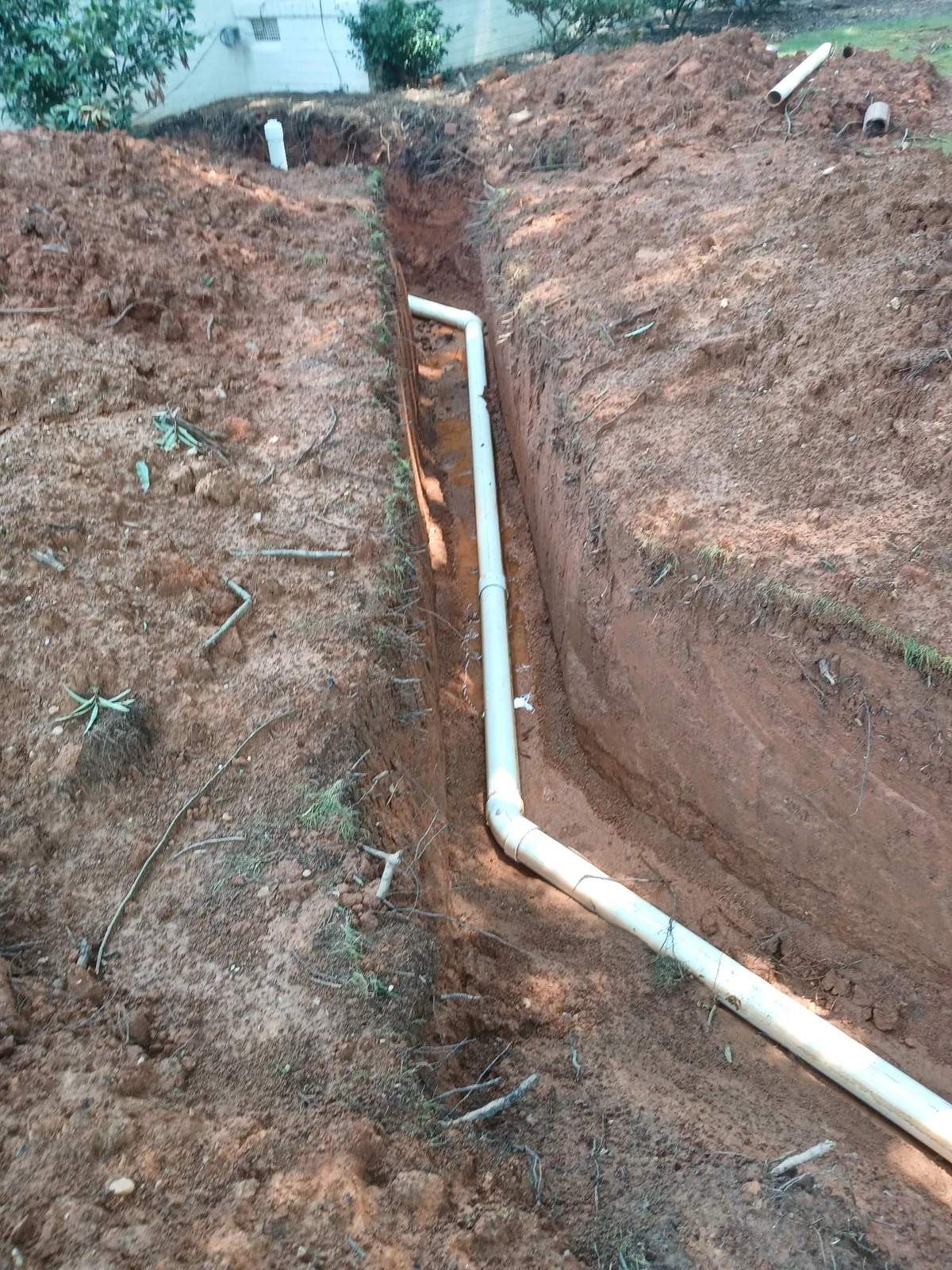
Sewer line replacement cost is one of the most searched plumbing questions, and one of the most misleading. A trenchless repair on a short, accessible run costs far less than a full open-cut excavation across a long yard with tree roots and clay soil in the way. The honest answer is: it depends on what we find. What we can tell you is that Thomas Plumbing & Construction will diagnose the problem correctly before recommending a repair method, so you don't pay for a full replacement when a spot repair will do the job. Call us and we'll tell you what we're looking at and what it'll take to fix it.
Pipe repair work runs a wide range depending on what's failing and how bad the damage is. A straightforward section replacement on an accessible supply line sits at the low end. A sewer line replacement involving excavation, older clay pipe, or root intrusion at multiple points pushes the cost significantly higher. Trenchless sewer line replacement can reduce labor cost when conditions allow it, but it's not always the right call, pipe condition and access both matter. What drives cost up: depth of the line, length of the run, pipe material, soil conditions, and whether permits are required. Every job is different, contact Thomas Plumbing & Construction for an accurate estimate.
Pipe Problems We Repair Pipe Problems
Most pipe failures fall into a handful of categories, and each one calls for a different fix.
Burst and Cracked Pipes
Frozen plumbing pipes are the most common cause of sudden bursts in NC winters. When water freezes, it expands and splits the pipe wall. Even a hairline crack can push out hundreds of gallons before you notice. We locate the break, cut out the damaged section, and replace it cleanly.
Pinhole and Corroded Copper
Older copper lines develop pinhole leaks from the inside out, usually from aggressive water chemistry or long-term oxidation. One pinhole today means more are coming. We assess the surrounding pipe condition before recommending a section repair or a full re-route.
Root Intrusion in Sewer Lines
Tree roots follow moisture and find every joint in an older clay or cast iron sewer line. By the time you notice slow drains, the roots may have been growing for years. We clear the obstruction and assess whether the line needs repair or replacement.
Bellied or Collapsed Drain Lines
Settlement in the soil causes drain pipes to sag and collect standing water. That water sits, it rots, and eventually the line won't drain at all. This isn't something a drain snake fixes. The belly has to be excavated and re-graded properly.
Leaking Joints and Fittings
Threaded fittings fail. Glued PVC joints crack under pressure or movement. A weeping joint behind a wall can quietly rot framing for months before it shows up as a stain. We track these down with leak detection and fix the fitting, not just the symptom.
Galvanized Supply Line Failure
Homes built before the 1970s often still have galvanized steel supply lines. They rust from the inside out, restrict flow, and eventually flake rust into your fixtures. When one section goes, the rest usually follows. We'll give you an honest read on whether a repair buys time or whether re-piping makes more sense.
Our Process
How Pipe Repair Actually Works Actually Works
We don't guess at pipe problems. We find the source, explain the fix, and do the work, in that order.
- 01
Locate and Diagnose
We start by confirming where the problem is and what caused it. That means checking the full line, not just the visible symptom. A slow drain might be a belly 20 feet in, not a clog at the trap.
- 02
Recommend the Right Fix
We'll tell you what the pipe actually needs, spot repair, section replacement, or full line replacement. We won't push a sewer line replacement when a targeted repair is the right call. You'll know the options before any work starts.
- 03
Complete the Repair Cleanly
We cut out what's damaged, replace it with the right material for the application, and test before we leave. If we opened a wall or excavated, we leave the site in better shape than we found it.
Trenchless vs. Open-Cut
Sewer Line Replacement: Two Methods, One Right Answer Two Methods
Trenchless sewer line replacement gets a lot of attention because it sounds less invasive. That's true, when it works. But not every situation qualifies for it.
- 01
When Trenchless Works
Trenchless methods like pipe lining or pipe bursting work well on structurally intact lines with isolated damage, consistent diameter, and accessible entry and exit points. If the pipe is basically sound and the damage is limited, trenchless can save significant excavation cost.
- 02
When Open-Cut Is Correct
If the pipe has collapsed sections, severe root intrusion at multiple points, or a belly that needs re-grading, trenchless lining won't solve the underlying problem. You'd be lining a pipe that's already failed structurally. Open-cut excavation lets us see what we're dealing with and fix it properly.
- 03
How We Decide
We look at pipe condition, access, depth, and what's above the line before recommending a method. A camera inspection tells us what's actually happening inside the pipe. If you've already had a quote for trenchless work on a badly deteriorated line, ask the contractor to show you the camera footage first.
How We Work
What to expect from Thomas Plumbing & Construction on every pipe repair job.
-
We diagnose before we quote
No repair recommendation until we know what's actually failing and why.
-
We explain the options plainly
Spot repair, section replacement, or full line replacement. We'll tell you what each costs and what it buys you.
-
We don't subcontract the work
The person you call is the person who shows up and does the job.
-
We serve the broader Alamance, Chatham, and Orange County region
Including communities like [Haw River](/haw-river/), [Liberty](/liberty/), and [Pittsboro](/pittsboro/).