
Snow Camp Local
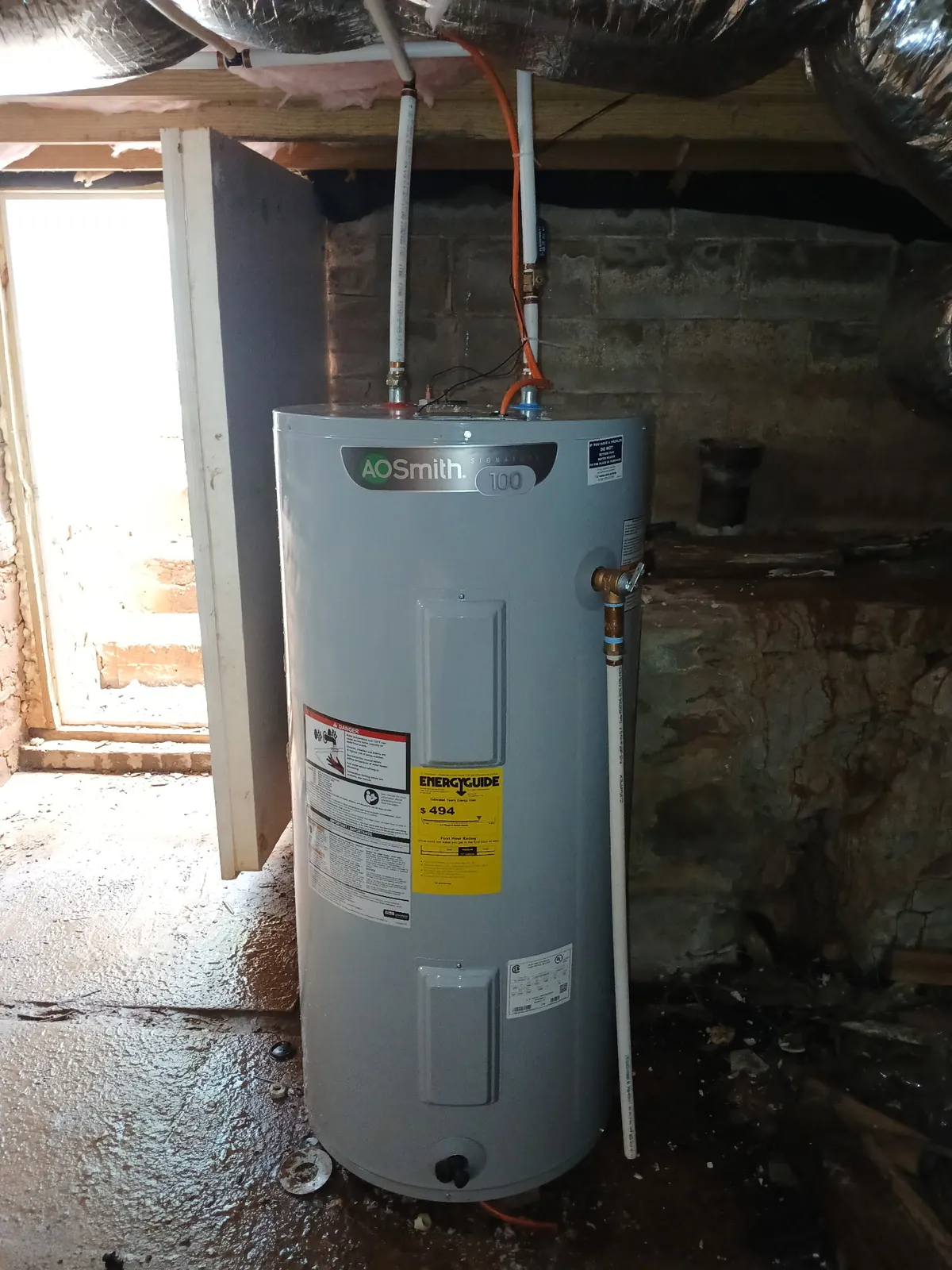
Water Heater Installation for Homes and Businesses
Tank and gas tankless water heater installation handled correctly from the first connection.
Free estimate
Tell us what you need
Three fields. It reaches a person here, not a call centre.
Gas Tankless Water Heater Installation Cost Explained
Gas tankless water heater installation cost is one of the most common questions we get, and the honest answer is: it depends on your home's existing setup. A straightforward swap from a tank unit to a tankless gas system runs more than most people expect once you factor in venting changes, gas line sizing, and proper permitting. That's not a complaint about the product. Tankless units are worth it for the right house. But the cost isn't just the unit off the shelf, and any contractor who quotes you a flat number without seeing your setup is guessing. Call Thomas Plumbing & Construction and we'll walk through your situation before you commit to anything.
What actually drives the price up or down on a water heater installation: the type of unit (tank vs. gas tankless vs. heat pump), whether your existing gas line can handle the load a tankless system demands, how the venting needs to be routed, and whether the old unit requires a full plumbing pipe repair before anything new goes in. A simple tank-for-tank replacement in a straightforward location is the low end of the range. A first-time gas tankless install with new venting and an upgraded gas line can run several times that. Every job is different, contact Thomas Plumbing & Construction for an accurate estimate.
Tank vs. Tankless: What to Know Before You Decide Tankless
The wrong unit for your home costs you money every month. Here's how to think through the choice.
Traditional Tank Water Heaters
Store and heat a fixed volume of water continuously. Lower upfront cost, simpler installation in most cases, and easier to replace like-for-like. For households that don't run hot water from multiple fixtures at the same time, a tank unit does the job without the added complexity.
Gas Tankless Units
Heat water on demand, meaning you don't pay to keep a tank hot around the clock. Better long-term efficiency on gas bills. The trade-off is a higher install cost and stricter requirements around gas line capacity and venting. Older homes sometimes need line upgrades before a tankless unit will run correctly.
Heat Pump Water Heaters
Electric units that pull heat from the surrounding air rather than generating it directly. Highly efficient but need adequate space and consistent ambient temperature. They work well in conditioned basements and utility rooms, less so in tight closets or unconditioned crawl spaces.
When to Replace vs. Repair
A water heater under eight years old with a single failed component is usually worth repairing. Once a unit hits twelve years or more, replacement is almost always the smarter spend. If you're not sure which side of that line you're on, our water heater repair page covers the diagnostic side.
How We Work
What a Proper Water Heater Install Covers
- 01
Site Assessment and Unit Sizing
We look at your household size, daily hot water demand, existing gas line or electrical capacity, and where the unit will sit. An undersized tankless unit short-cycles and wears out fast. An oversized tank unit wastes gas. Getting the sizing right before purchase saves money.
- 02
Safe Removal of the Old Unit
Old tank units are heavy, full of sediment, and occasionally corroded to the fittings. We drain and disconnect the existing unit, inspect the surrounding plumbing for corrosion or damage, and clear the space properly before anything new goes in.
- 03
Installation and Connection
New unit goes in level and secure. Connections are made to supply and discharge lines, gas or electrical supply is connected to spec, and venting is routed correctly per manufacturer and code requirements. On gas tankless units, we check the line pressure before signing off.
- 04
Testing and Walkthrough
We run the unit through a full test cycle, check for leaks at every connection, verify the pressure relief valve seats correctly, and confirm the unit is hitting target temperature. You get a walkthrough on operation and what to watch for before we leave.
Our Process
Three Things That Make a Gas Tankless Install Go Wrong
These aren't scare tactics. They're the three failure points we see repeatedly on tankless installs done by whoever was cheapest.
- 01
Undersized Gas Line
Gas tankless heaters fire at high BTU on demand. A line sized for your old 40-gallon tank often can't deliver that flow rate, and the unit will either underperform or short-cycle. Upgrading the line adds to install cost but it's not optional.
- 02
Wrong Venting Configuration
Tankless gas units vent differently from tank water heaters. Using the old vent configuration without checking the requirements for the new unit is the kind of shortcut that causes combustion gas problems. We verify the venting matches the unit, not the hole in the wall.
- 03
Skipping the Flush After Install
New tankless units come with a commissioning process. Skipping it leaves manufacturing debris in the heat exchanger and voids most warranties. It takes fifteen minutes and most cut-rate installs skip it. We don't.
Our Commitment on Every Installation
What you get when Thomas Plumbing & Construction installs your water heater
-
Right unit for your actual household
We size based on your usage, not what's in stock
-
Gas line capacity verified before install
No guessing on whether the line can handle a tankless unit
-
Venting inspected and corrected if needed
New unit vented to its own spec, not the old unit's
-
Full test run before we leave
Pressure, temperature, connections, and relief valve all checked
Water Heater Installation: Common Questions
How long do water heaters typically last?
What drives the cost of a gas tankless water heater installation?
Which water heater type is most efficient for a house on natural gas?
Can a gas tankless water heater run multiple fixtures at the same time?
How long does a water heater installation take?
Do I need a permit to replace a water heater in North Carolina?
Areas We Install Water Heaters
We install and replace water heaters throughout Alamance, Chatham, and Orange Counties. If you're in any of the communities below, call us.
- Burlington
- Graham
- Mebane
- Elon
- Gibsonville
- Haw River
- Siler City
- Pittsboro
- Hillsborough
- Saxapahaw
- Liberty
- Swepsonville
- Eli Whitney
- Whitsett
Ready to Schedule Your Water Heater Installation?
Whether you're replacing a failed tank unit or making the move to a gas tankless system, we'll size it right and install it correctly.