
Snow Camp Local
Sump Pump Repair and Cleaning That Actually Holds
When your sump pump quits, water doesn't wait. Get it diagnosed and fixed before your crawl space pays the price.
Free estimate
Tell us what you need
Three fields. It reaches a person here, not a call centre.
Sump Pump Cleaning and Repair Done Right
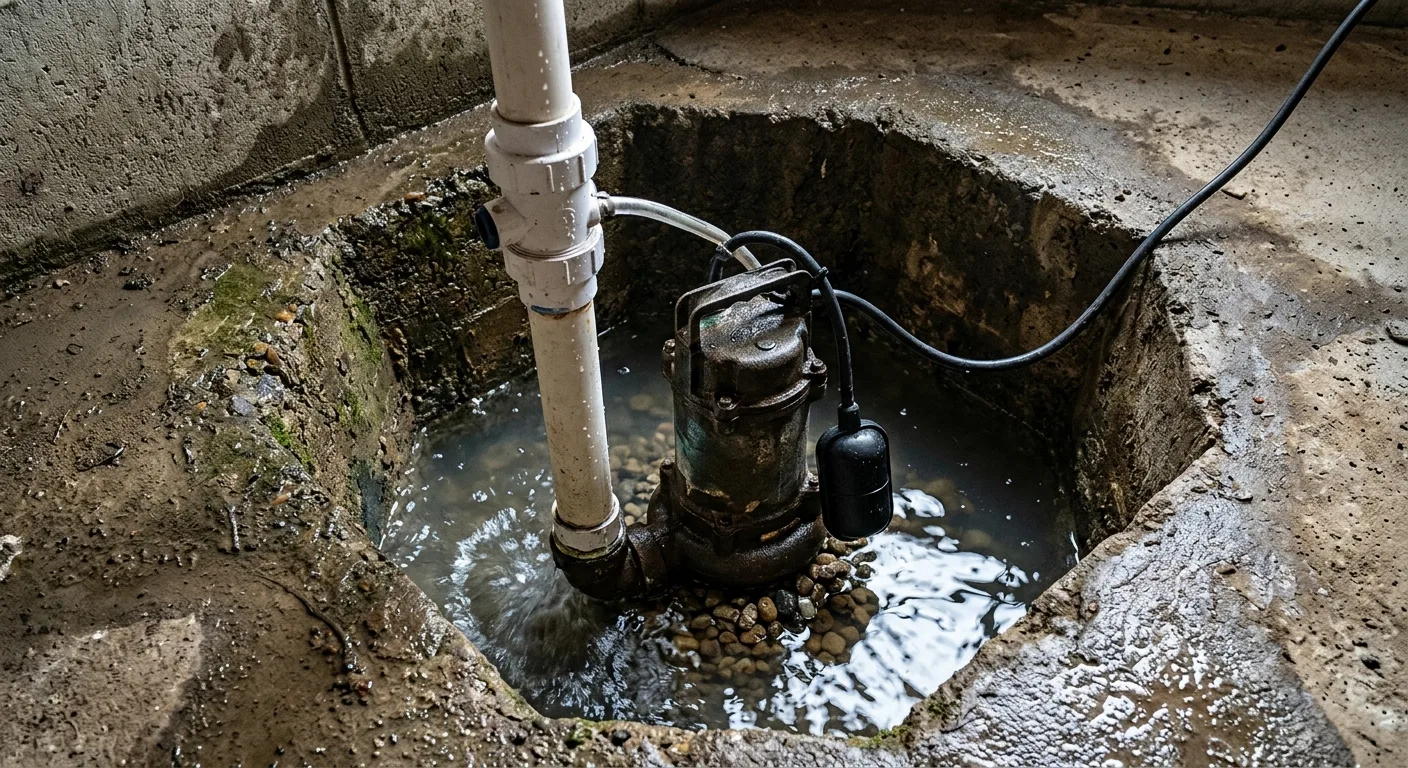
Yes, a sump pump can be repaired, and in many cases, repair is the smarter call over replacement. Most failures come down to a few predictable problems: a stuck or failed float switch, a clogged intake screen, a burned-out motor, or a check valve that's letting water flow back down the discharge line. A proper sump pump cleaning service clears the pit and the intake before anything else, because a pump running against debris or pulling through a fouled screen will fail again inside a year no matter what else you do. Thomas Plumbing works through those diagnostics in order and tells you straight whether repair makes sense or whether the pump's age and condition put replacement ahead. Call for an honest look at what's actually wrong.
What drives cost on a sump pump job is mostly how complicated the situation is. A float switch swap or a quick cleaning is at the low end. A full pump replacement with a new discharge line run to daylight and a check valve installed correctly is at the higher end. Homes with old pits, cracked liners, or no pit cover at all add time and materials. Pedestal versus submersible pumps also affect the scope. Battery backup systems, if yours doesn't have one and you want one added, change the job entirely. Every job is different, contact Thomas Plumbing & Construction for an accurate estimate.
What Sump Pump Failure Actually Looks Like
Most homeowners notice the symptom before they identify the cause. Here's how to read what your pump is telling you.
Pump Runs But Moves No Water
This almost always points to a failed impeller or a blocked intake. The motor fires but nothing comes up the discharge line. Running the pump in this condition burns the motor out fast, so cut power and call before it turns into a full replacement.
Pump Won't Turn On
Float switch failure is the most common cause. The float gets stuck against the pit wall or the switch mechanism itself wears out. It can also be a tripped breaker or a dead GFCI outlet. Check those first, but if they're fine, the switch is the next suspect.
Pump Runs Constantly
A pump that never stops is either fighting a failed check valve (water cycles back in after each pump cycle) or the pit is taking on groundwater faster than the pump can handle. Either way, you're shortening the motor's life. Don't ignore it.
Strange Noise or Vibration
Rattling usually means debris in the impeller. A grinding or humming with no discharge means the motor's trying to work against a jam. Submersible pumps sitting directly on pit floor sediment often develop this, a cleaning fixes it when caught early.
Water in the Pit but Pump Doesn't Cycle
The float trigger level may be set too high, or the float is waterlogged and riding low. On older pedestal pumps the mechanical arm gets bent or corroded. This is one of the easiest fixes on the list, but only if someone actually checks it.
Discharge Line Frozen or Blocked
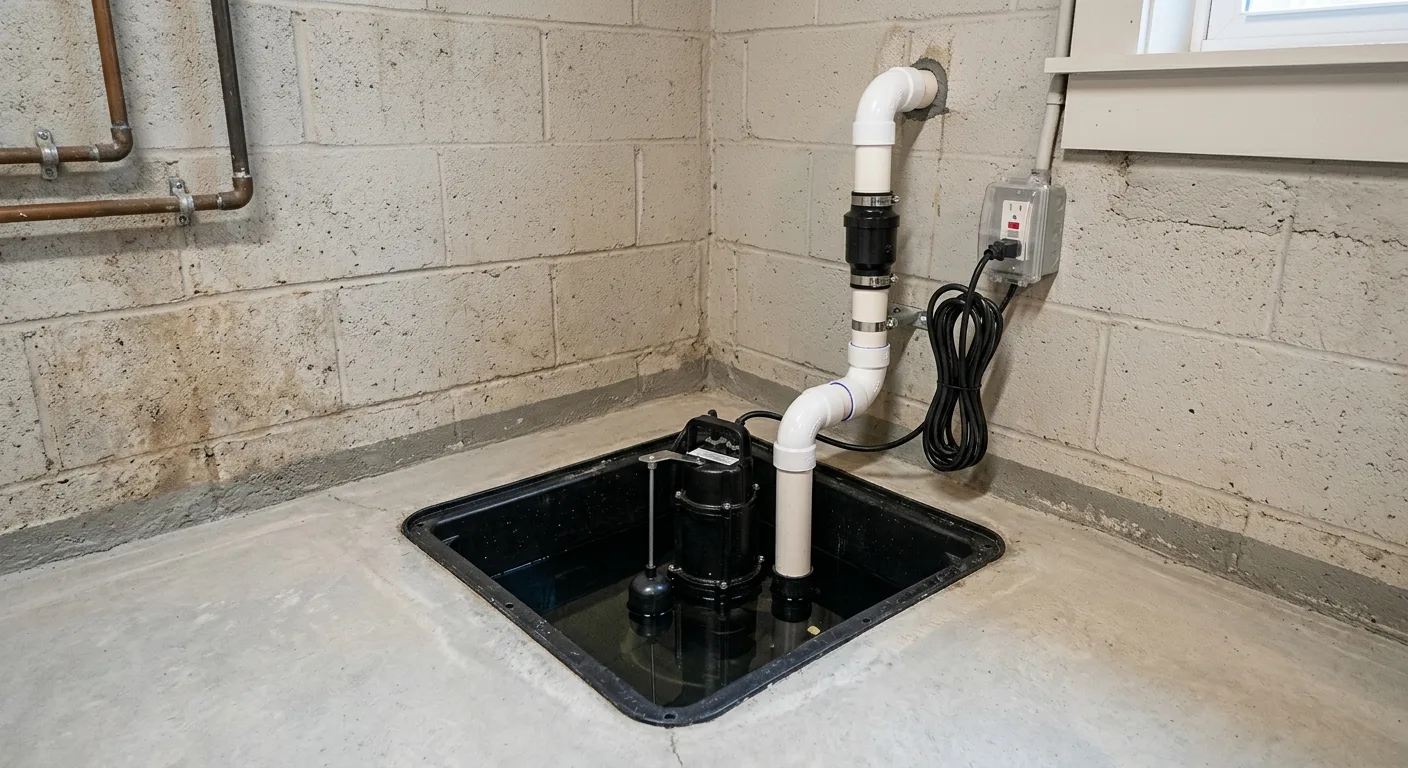
In cold snaps, discharge lines that terminate low to the ground can freeze solid. The pump fires, pressure builds, and either the check valve blows or the pipe joints separate. Crawl space flooding from a frozen discharge line is avoidable with the right termination setup.
How We Work
The Repair Process, Step by Step
- 01
Inspect and Clean the Pit First
We pull the pump, clear the pit of sediment and debris, and inspect the liner before we diagnose anything else. A dirty pit gives you wrong readings and hides cracks. This is where a sump pump cleaning service starts, not at the pump itself.
- 02
Diagnose the Specific Failure
Float switch, impeller, motor, check valve, discharge line, we test each component in order and identify exactly what failed and why. You get a straight answer on whether repair or replacement makes more sense before any work starts.
- 03
Fix It and Confirm It's Working
We do the repair, reinstall the pump correctly (not just sitting on the pit floor), and manually cycle it with water before we leave. The check valve gets checked. The discharge path gets confirmed. We don't call it done until we've watched it run.
Know the Difference
Repair vs. Replace: How to Think About It
Our Process
Does Your Property Actually Need a Sump Pump?
- 01
Crawl Space or Basement with Moisture History
If you've had standing water, efflorescence on block walls, or that damp smell after heavy rain, a sump pump is the right fix. Rural properties on low-lying ground in Alamance, Chatham, and Orange County deal with this regularly, especially after the kind of soaking rains the region gets in spring.
- 02
No Pump Installed Yet
Older homes throughout the area were built without sump pits. If you're experiencing crawl space flooding and there's no pump in place, we can assess whether drain cleaning and grading fixes the issue or whether a full sump installation is the right call. We don't recommend pumps to people who don't need them.
- 03
Battery Backup: Worth Adding
The worst flooding happens during storms when the power goes out. A primary sump pump with no backup is useless right when you need it most. If your current setup has no battery backup, it's worth discussing when we're already on site. It's a straightforward addition and the cost is reasonable compared to what a flooded crawl space costs to remediate.
Sump Pump Problems We Fix
- 01
Failed or stuck float switch
The most common single-point failure on any sump pump.
- 02
Burned-out or seized motor
Usually caused by running dry, debris, or years of continuous cycling.
- 03
Clogged intake and pit sediment buildup
A full sump pump cleaning clears this and extends pump life significantly.
- 04
Check valve failure and discharge line issues
Backflow and blockages that make the pump work twice as hard.
Ready to Get Your Sump Pump Back in Shape?
If your pump is running wrong, not running at all, or you've never had it cleaned out, call Thomas Plumbing & Construction. We serve Burlington, Mebane, Haw River, and communities throughout central North Carolina.